

The design only needs to shift the data stream by +- 1/2 location.
For larger shifts,
|
|
|
||||||||||||||||||||||
|
The design only needs to shift the data stream by +- 1/2 location.
For larger shifts,
|
|||||||||||||||||||||||

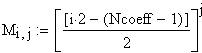
|
|||||||||||||||||||||||

|

|
||||||||||||||||||||||
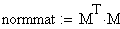
|
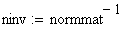
|
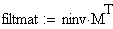
|
|||||||||||||||||||||
|
|
|||||||||||||||||||||||

|
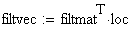
|
||||||||||||||||||||||
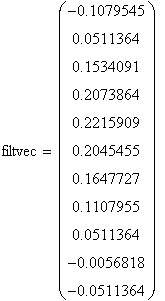
|
|||||||||||||||||||||||
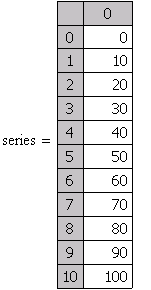
|
|||||||||||||||||||||||
|
|
|||||||||||||||||||||||
|
|
|||||||||||||||||||||||

|
|||||||||||||||||||||||
|
|
|||||||||||||||||||||||

|
|||||||||||||||||||||||
The page above was generated by Mathcad 12 (Mathcad (t) is a registered trade name of Mathsoft Engineering and Education, Inc.)